
How Arminian Beliefs
Relate to
the
Heresy of
Decisional Regeneration
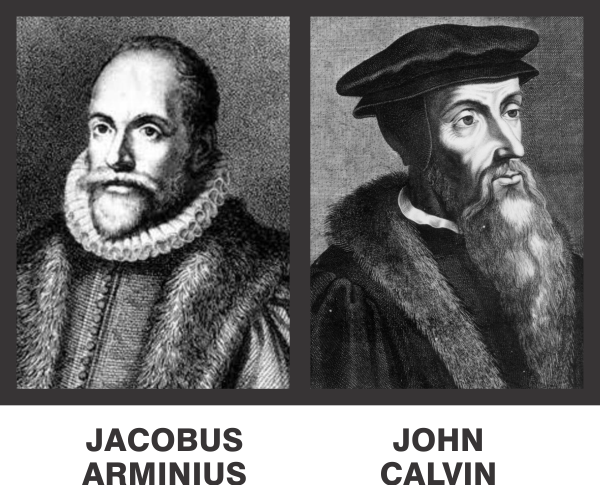 |
Arminian theology started with Jacob Arminius (1560-1609), a theologian who tried to reform the theology which developed from the works of John Calvin (1509-1564), especially the doctrines of unconditional election, the limitation of the atonement to the elect, and irresistible grace. Arminius was ordained in 1588 and pastored a church in Amsterdam, Holland.
Arminius taught that prevenient grace prepares not only the Elect, but all sinners for saving faith. Arminius stated, "the grace sufficient for salvation is conferred on the Elect, and on the Non-Elect; that, if they will, they may believe or not believe, may be saved or not be saved." He never said a saved person could lose his salvation, but was not convinced from Scripture that it wasn't possible.
Since the 19th century, many Christian denominations have confused the bare faith heresy with Arminianism. No classical Arminian would agree that a person can be saved just by saying a prayer or being water baptized. For example, John Wesley, the most famous Arminian, was locked out of Anglican churches (along with Calvinist George Whitefield) for telling deluded parishioners they must be born again. In fact, many Methodist ministers used to wait six months for evidence of supernatural regeneration and the indwelling of the Holy Spirit before baptizing converts. Faith without Biblical evidence is not saving faith.
Classical Arminians and Calvinists agree that God must supernaturally change the heart by regeneration and fill with the Holy Spirit for a sinner to become a saint. When Charles Spurgeon was fighting the Downgrade of theology among his fellow Baptists who no longer believed in supernatural regeneration and the indwelling of the Holy Spirit, he considered some Methodist minister friends to be closer to him in theology.
|
 |